
The Laboratory is the renamed ‘Laboratory of Environmental Research and Applications’, established by Government Gazette (ΦΕΚ) 380/25-06-1990. It was relaunched with the acquisition of state-of-the-art digital fabrication equipment, under the action ‘Procurement of Laboratory Equipment for Basic Research at AUTh’ (NSRF 2007-2013).
The Digital Design & Fabrication Laboratory focuses on the use of digital technologies of representation, modelling and fabrication in architectural design. It places emphasis on innovative methods for the automated production of three-dimensional scale models, prototypes and architectural building components, applied to innovative architectural proposals that seek continuity between the design process and construction, so that the mediation of manual labour is reduced and construction can inform design in a “bottom-up” logic.
The research activity of the Laboratory covers a wide range of architectural research, from the theoretical exploration of new methodologies of parametric and algorithmic design and their application to specific architectural problems, to the investigation of techniques and processes of automated digital fabrication. The Laboratory offers its services to research teams and organisations working on a wide range of research questions, even outside the field of architecture, who need three-dimensional visualisation or physical prototypes of their research subject. These services may include, for example, modelling microscopic biological structures, producing mechanical parts, fabricating industrial design objects, building models of innovative structural systems, digital or physical 3D representation of archaeological finds, and making scale models of urban layouts or geological formations.
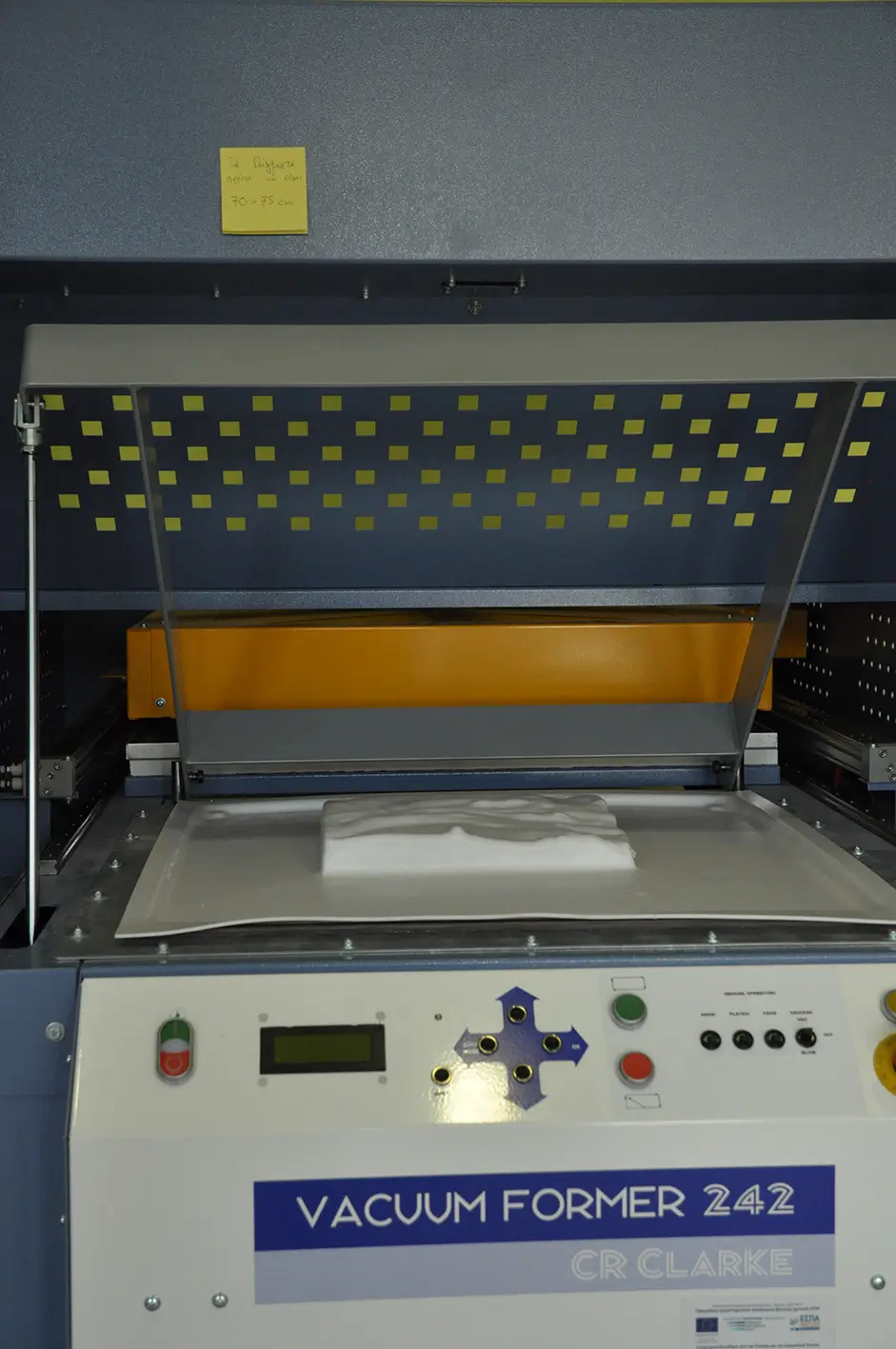
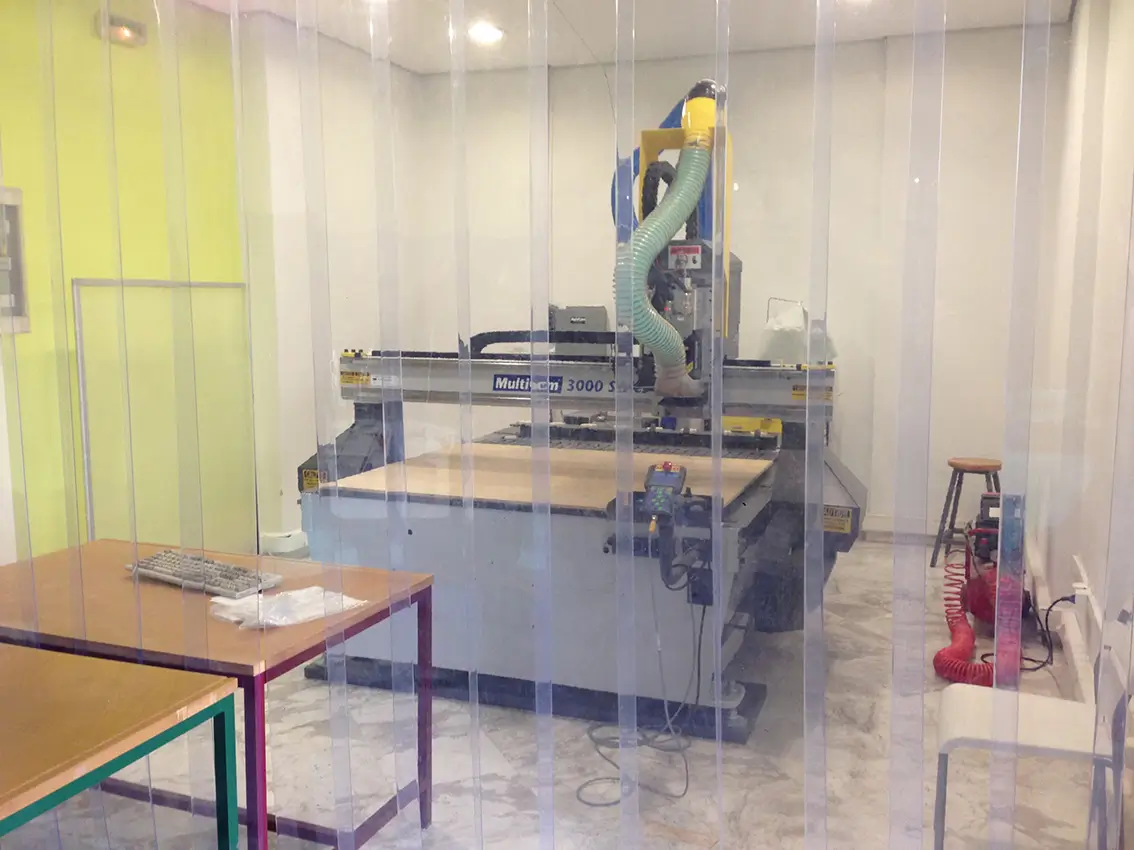
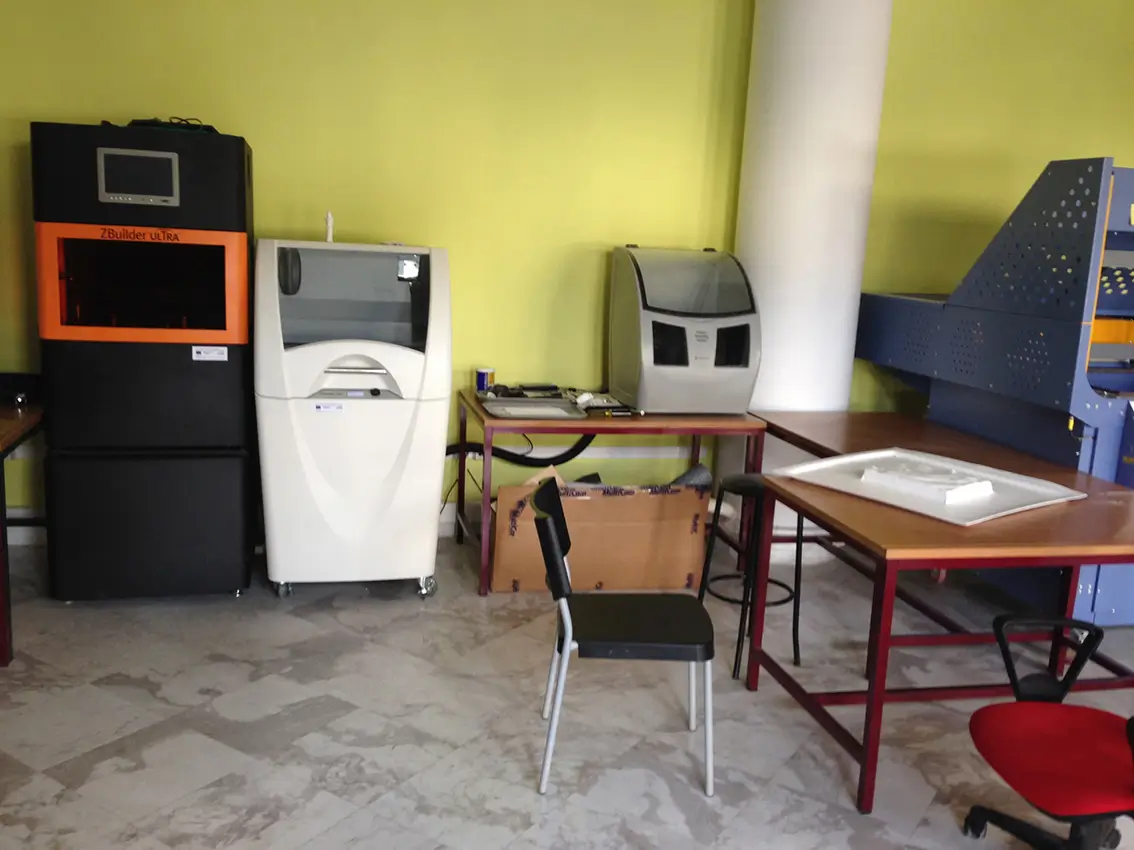
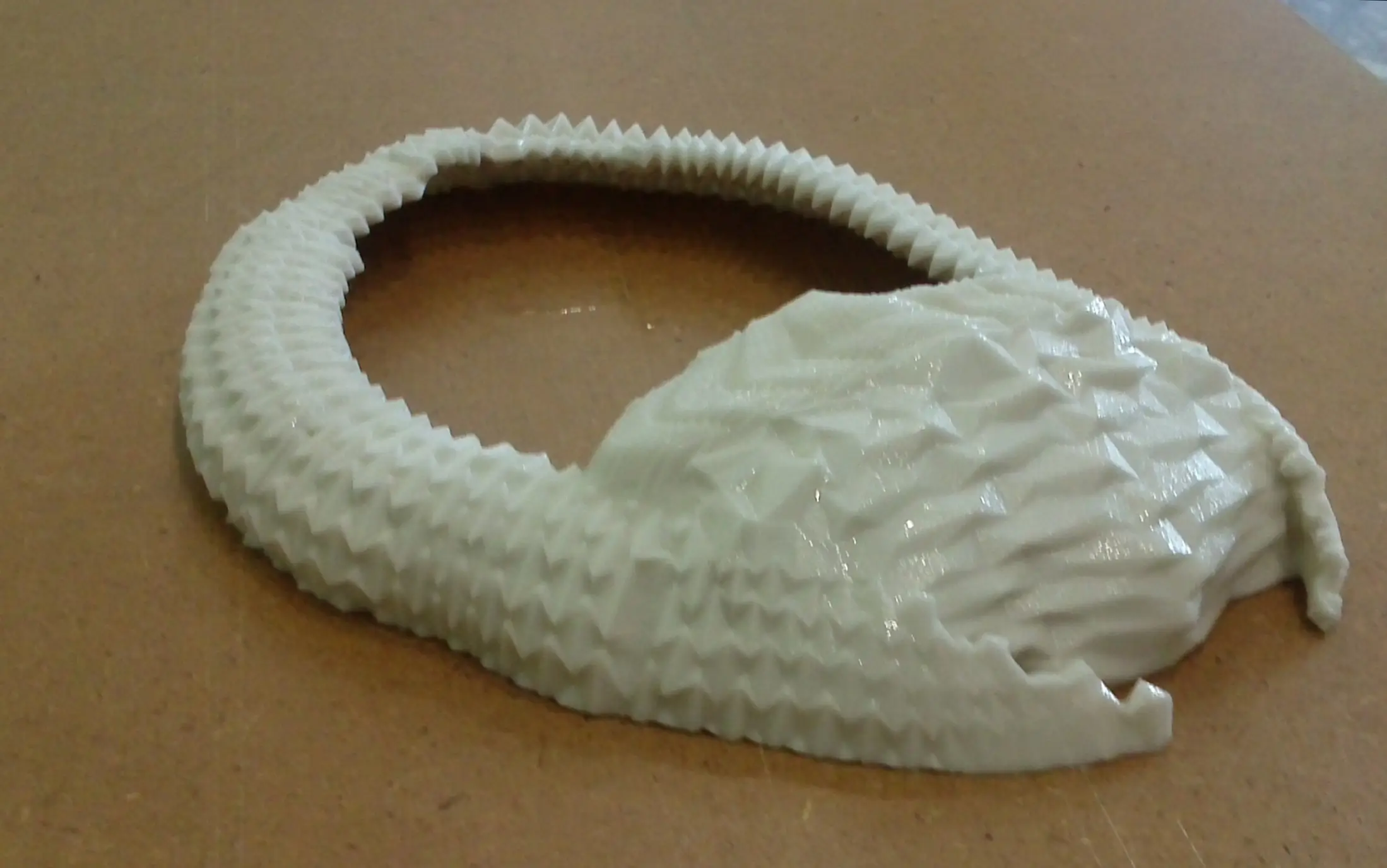
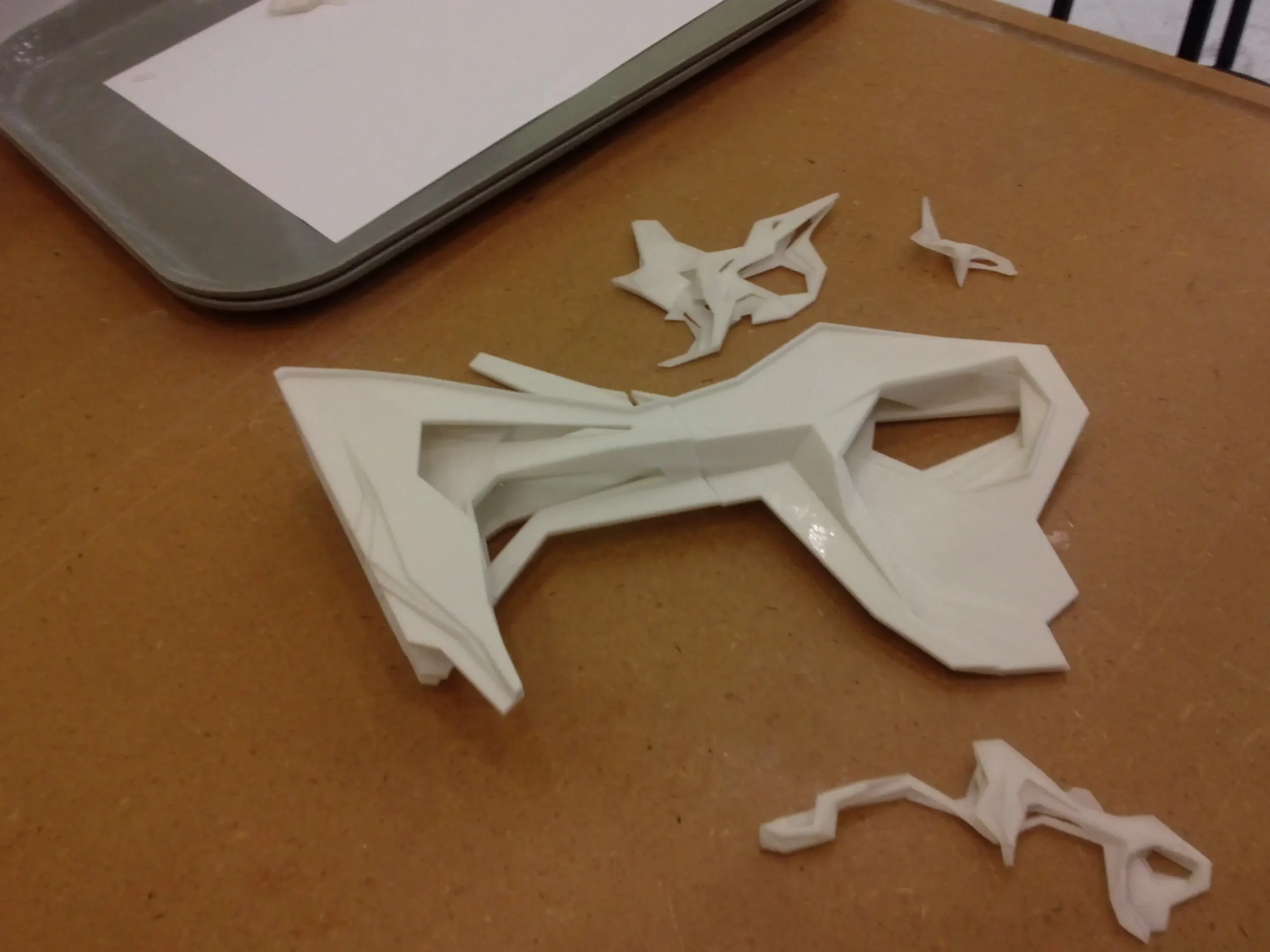
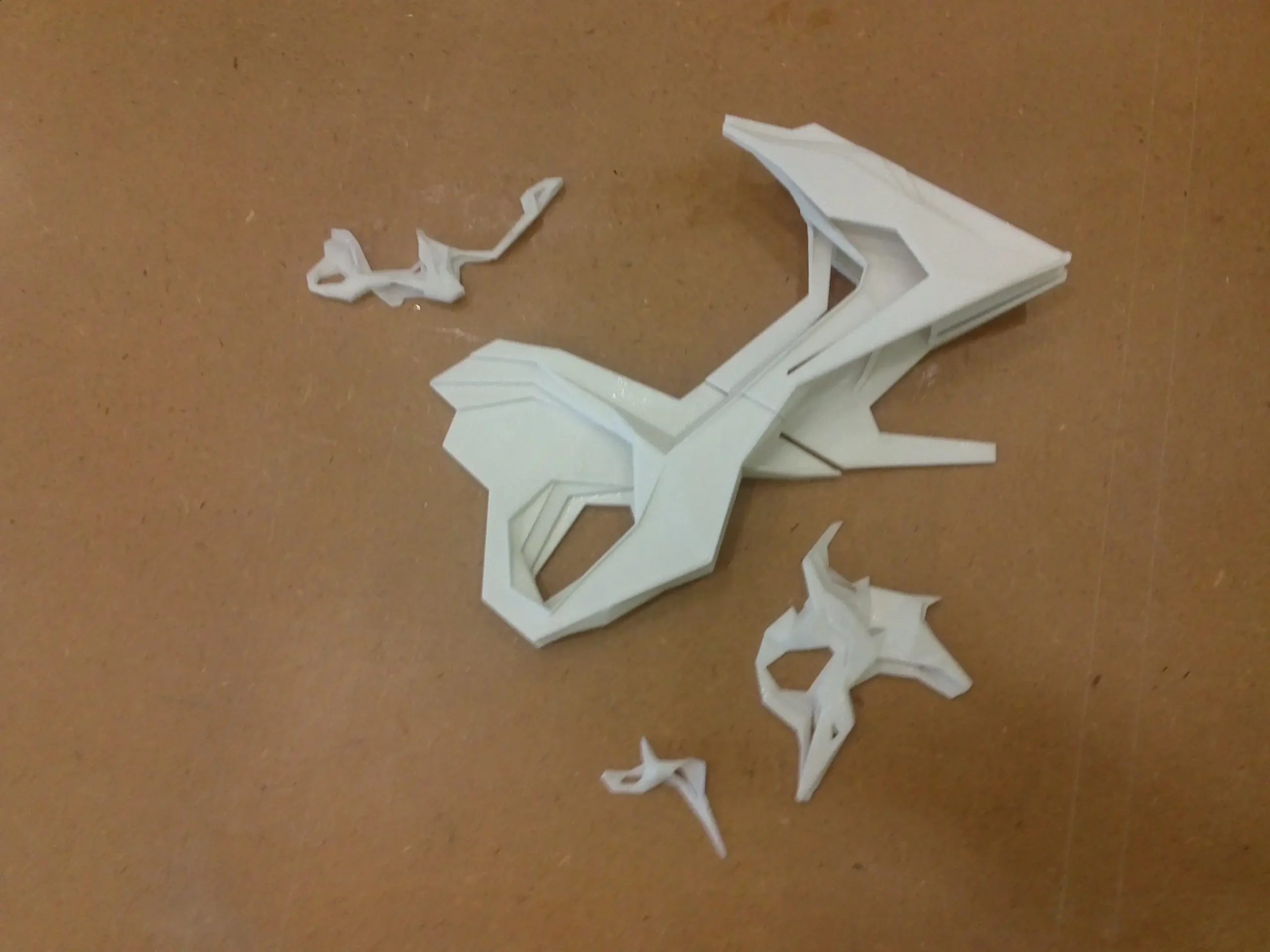
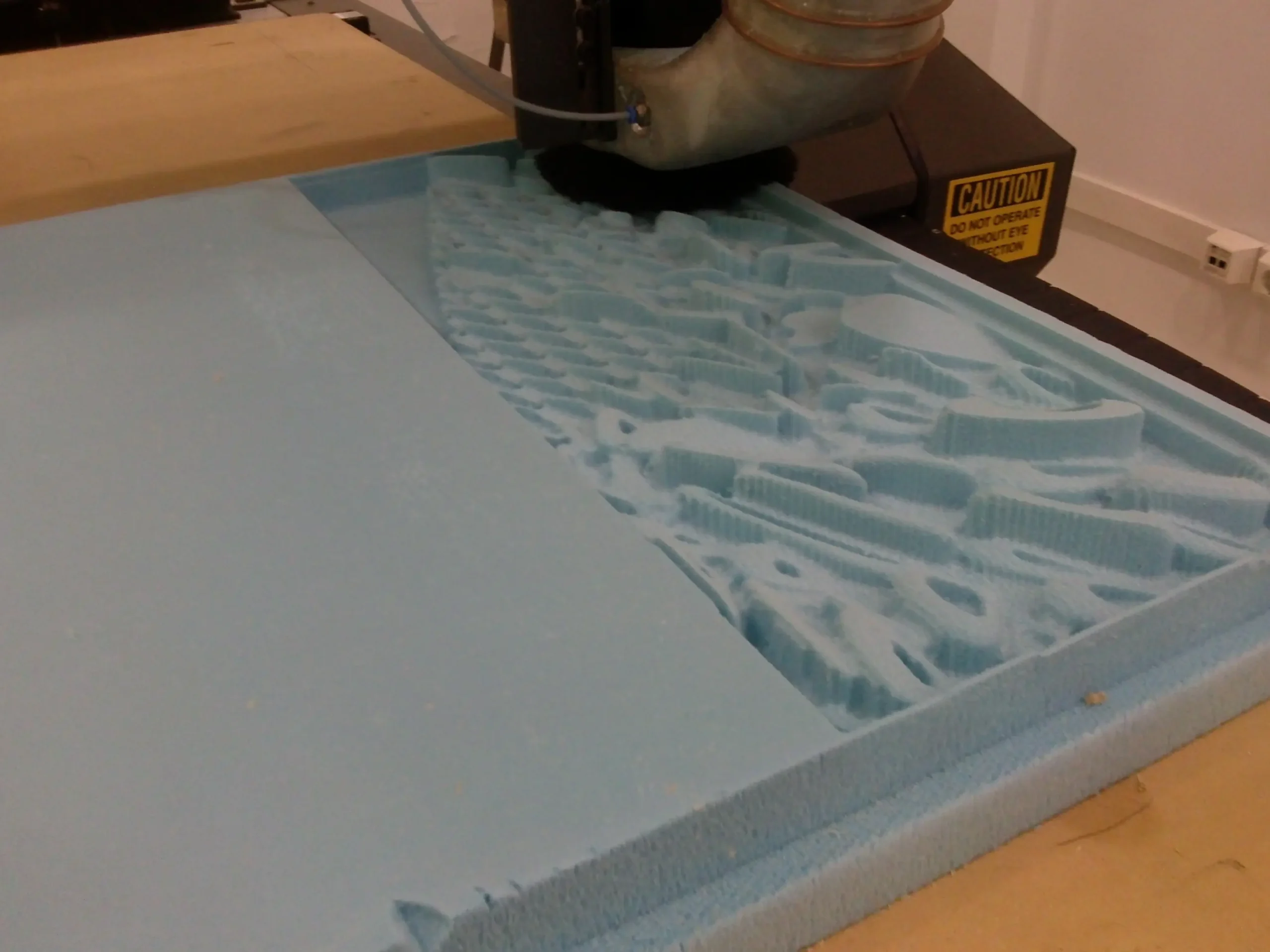
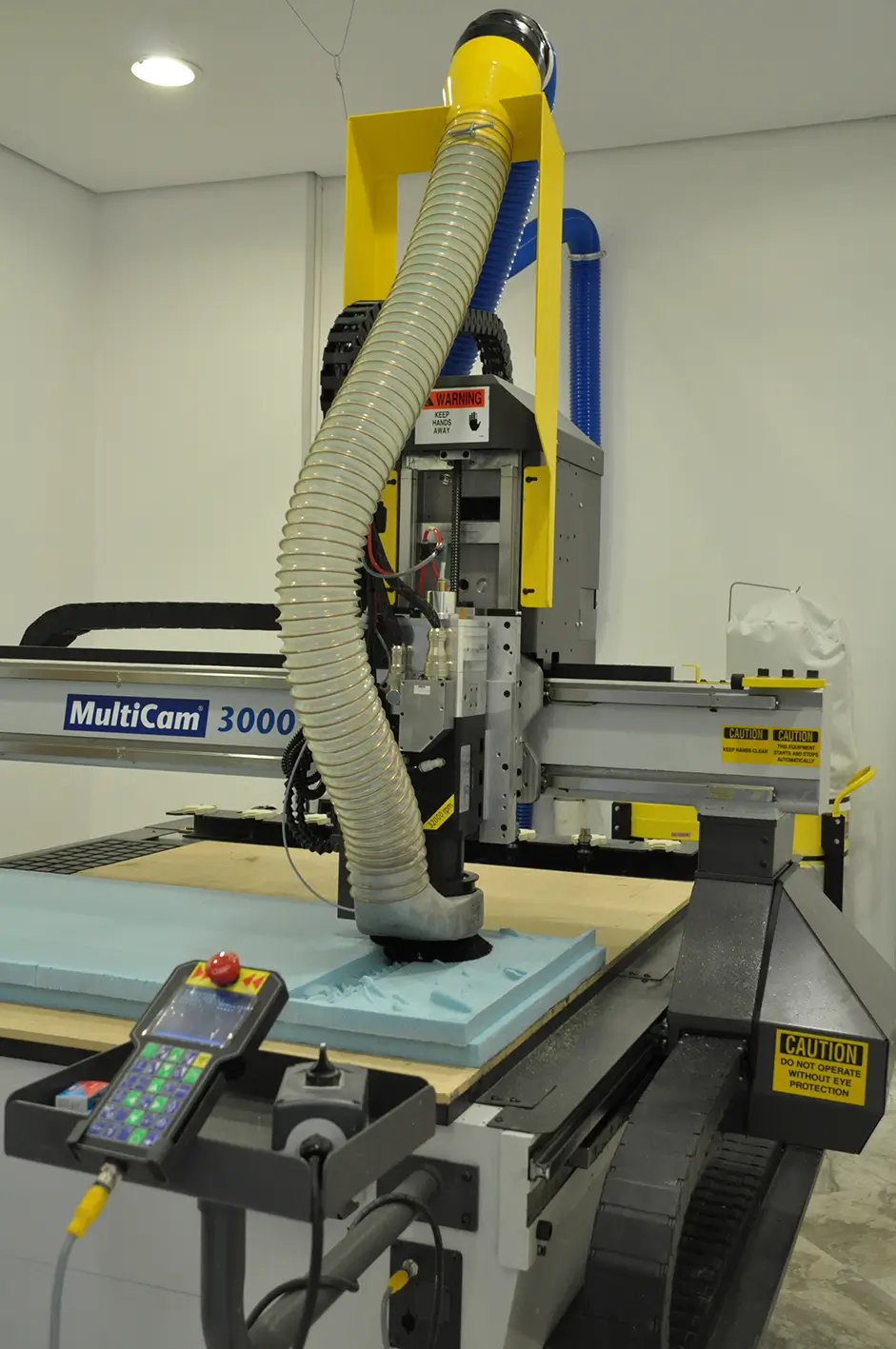
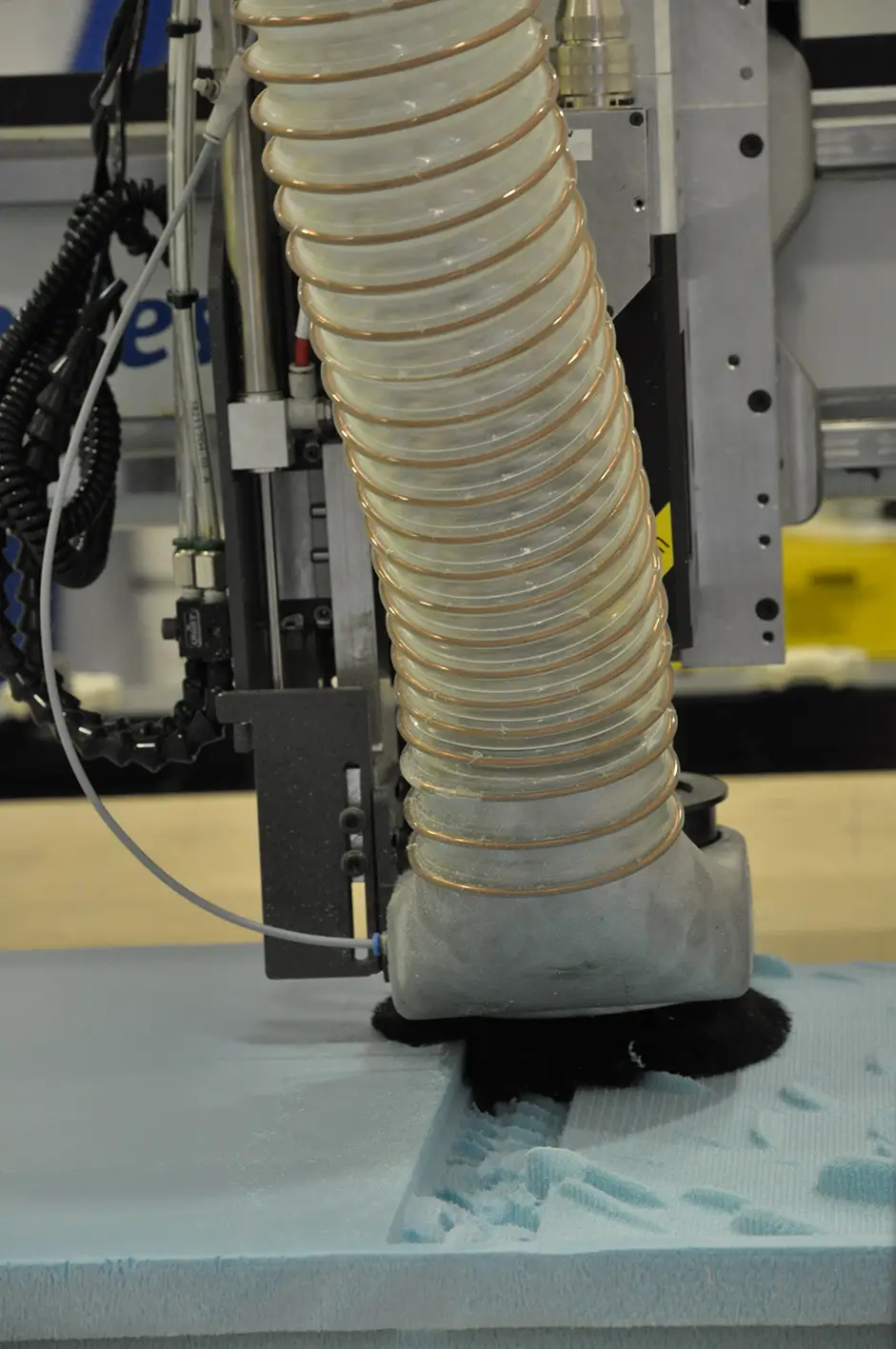
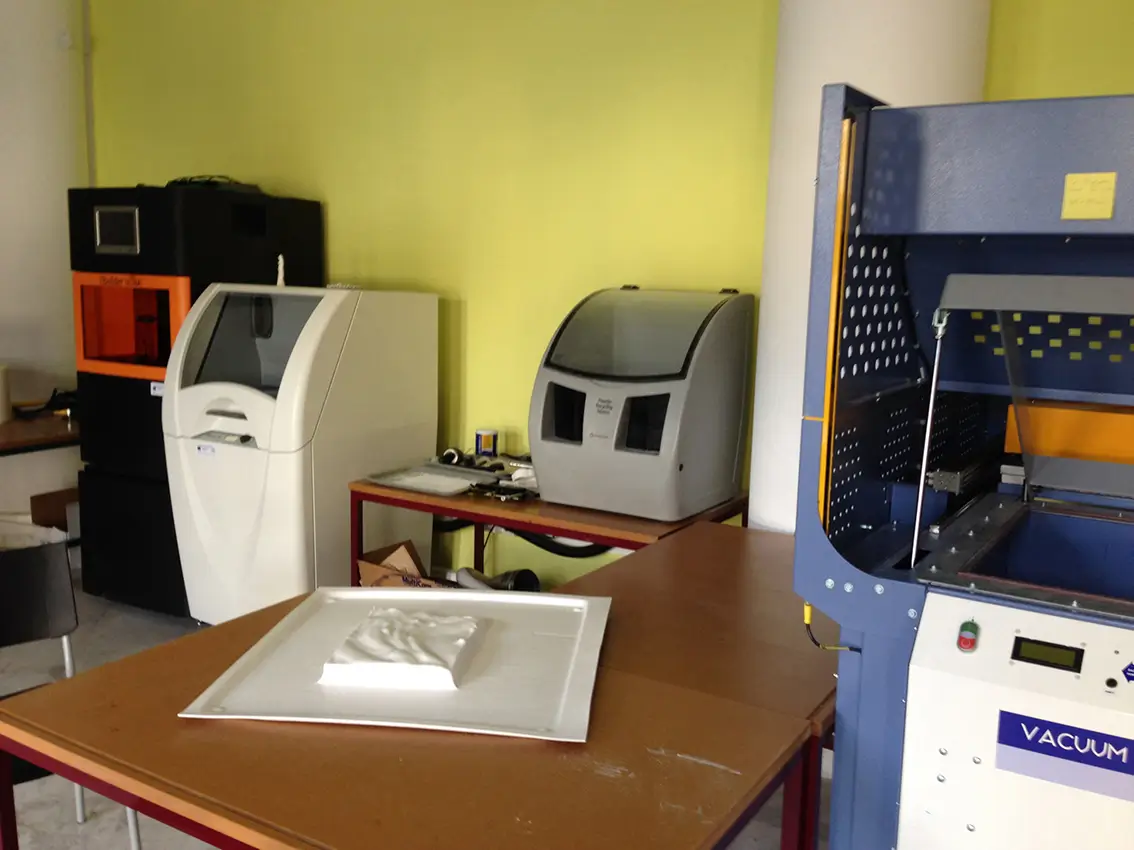
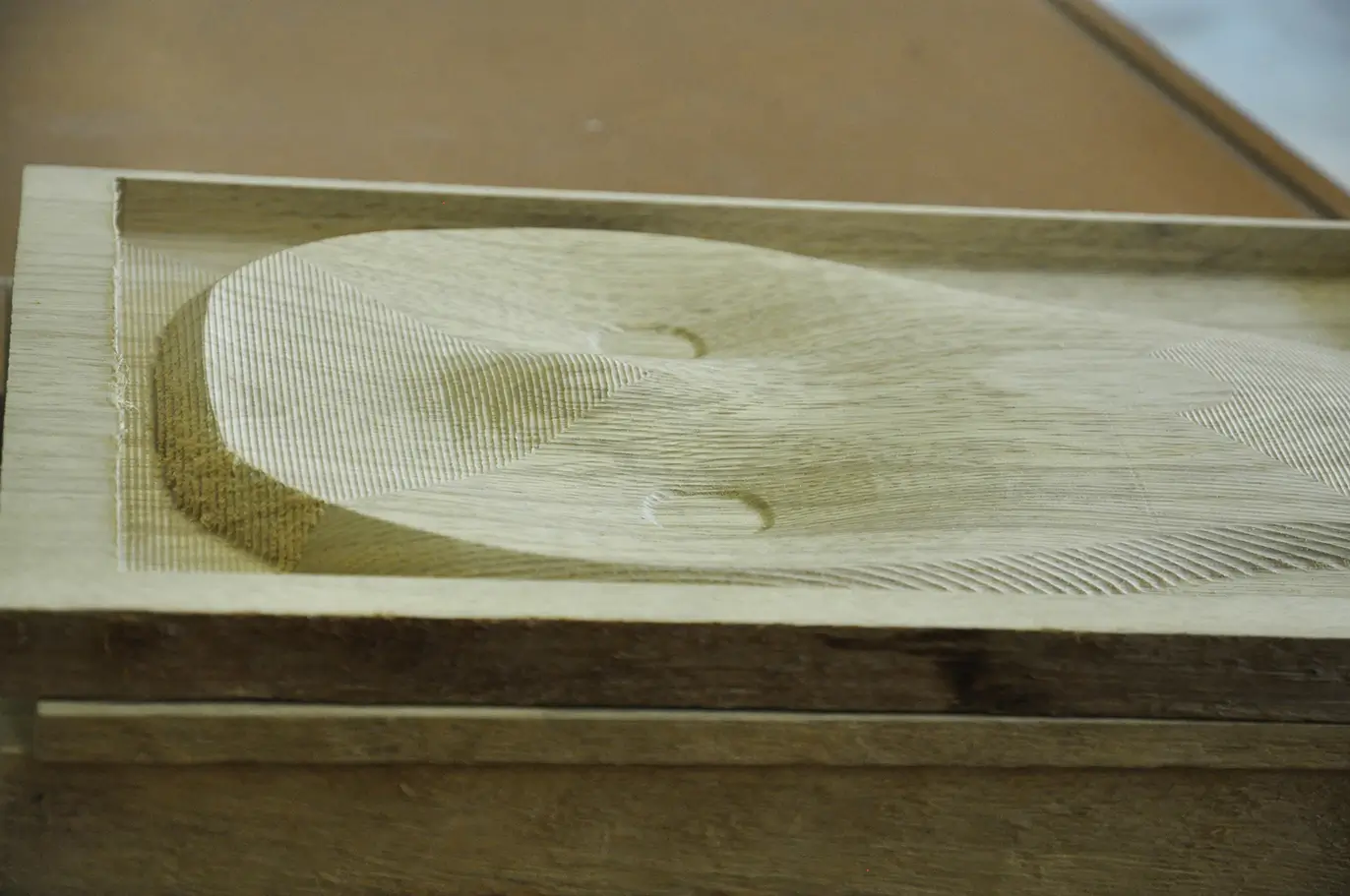
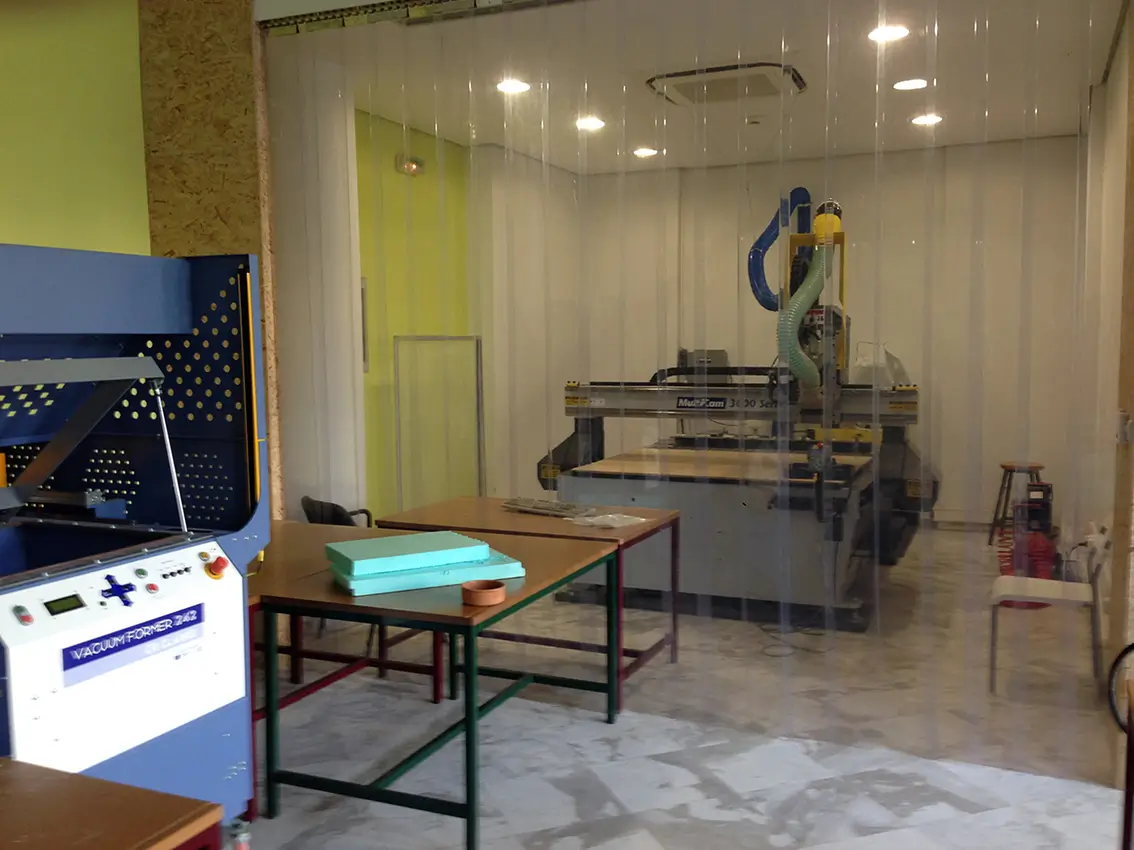
The Laboratory is housed in the Architecture Wing of the Faculty of Engineering building. Its premises cover 280 m2 with direct access from the outdoor area. Its infrastructure includes the following systems:
1. Digital 3D scanning system
2. Digital 3D printing and rapid prototyping system
3. Machining system for reliefs and 3D models
4. Laser engraving and cutting system
5. Large-format 2D printing system
The individual systems are compatible with each other and can work as a single whole, depending on the requirements of each project. More specifically, the laboratory equipment includes the following machines and specifications:
1. Rapid Prototyping Machine (PLA).
3D printer for hard plastic material that can be sanded, carved, etc.
Maximum model size 240*160*120 mm, accuracy 0.2 mm.
2. Monochrome 3D Powder Printer.
Maximum print size 240*160*120 mm, accuracy 0.1 mm.
3. PLA and ABS 3D Filament Printer.
Maximum print size 295*195*165 mm, accuracy 0.2 mm.
4. PLA and ABS 3D Filament Printer.
Maximum print size 300*305*457 mm, accuracy 0.2 mm.
5. Three-axis CNC router & milling machine.
Cutting of various materials and machining of reliefs.
Maximum travel 1500*1500*350 mm.
6. Vacuum forming machine for plastic sheets.
Sheet size 650*650 mm.
7. Laser cutting & engraving machine.
Maximum size 600*300 mm, power 30 W.
8. Laser cutting & engraving machine.
Maximum size 1000*700 mm, power 50 W.
9. Handheld 3D scanner.
Measuring distance 50-3000 mm, accuracy 50 μm.
10. Enroute, specialised software for the analysis and fabrication of 3D surfaces.
11. Leios, specialised reverse engineering software.
12. Large-format (plotters) and small-format (printers) 2D printers.
Head of Laboratory:
Anastasios Tellios, Associate Professor, AUTh.
Laboratory Committee:
Anastasios Tellios, Associate Professor, AUTh
Alkmini Paka, Associate Professor, AUTh
Dimitrios Kontaxakis, Assistant Professor, AUTh
Technical support:
Konstantinos Pavlidis, Vasilis Zafranas
Laboratory Teaching Staff (ETEP)